


Origins of the Manx Language
Manx Gaelic is the indigenous language of the Isle of Man, and its roots on the Island date back over 1,500 years. While Manx is no longer the primary language of modern-day Manx people, it is a community language that continues to be spoken, celebrated and recognised as an important part of the Isle of Man’s culture and heritage.
3,000 years ago, Celtic languages were spoken by most people across Europe, but when new empires spread across the continent, all the mainland continental Celtic languages died out. However, the Celts on the islands of Britain and Ireland kept their Celtic languages and over time they diverged into two different groups; Brythonic, spoken in most of the island we now call Britain, and Goidelic, or Gaelic, spoken in Ireland.

The origins of Manx were introduced in the 5th century when Irish missionaries and migrants travelled to the Isle of Man and Scotland, speaking an early form of Irish, which developed into the separate languages of Manx, Scottish Gaelic, and Modern Irish. Manx is a Goidelic (Gaelic) Celtic language, very similar to both Scottish Gaelic and Modern Irish.
In England, when the Anglo Saxons invaded from the east, they pushed Brythonic Celtic speakers to the western regions and France, with descendants of these Celts speaking Breton, Cornish and Welsh.
Manx Today
In the 18th and 19th centuries, social, economic and population changes caused a swift decline in the number of Manx speakers. Fortunately, there were keen language enthusiasts who were concerned at the decline of Manx and who worked to save the language by collecting recordings from native speakers, teaching classes, and producing learning resources. These enthusiasts halted the decline and inspired a new generation of Manx speakers. The Isle of Man Government has supported the language in recent decades, introducing the Manx language into state schools from 1992. There is a Manx-language primary school, Bunscoill Ghaelgagh, based in St. John’s and established in 2001, which is now part of the Department of Education, Sport and Culture.
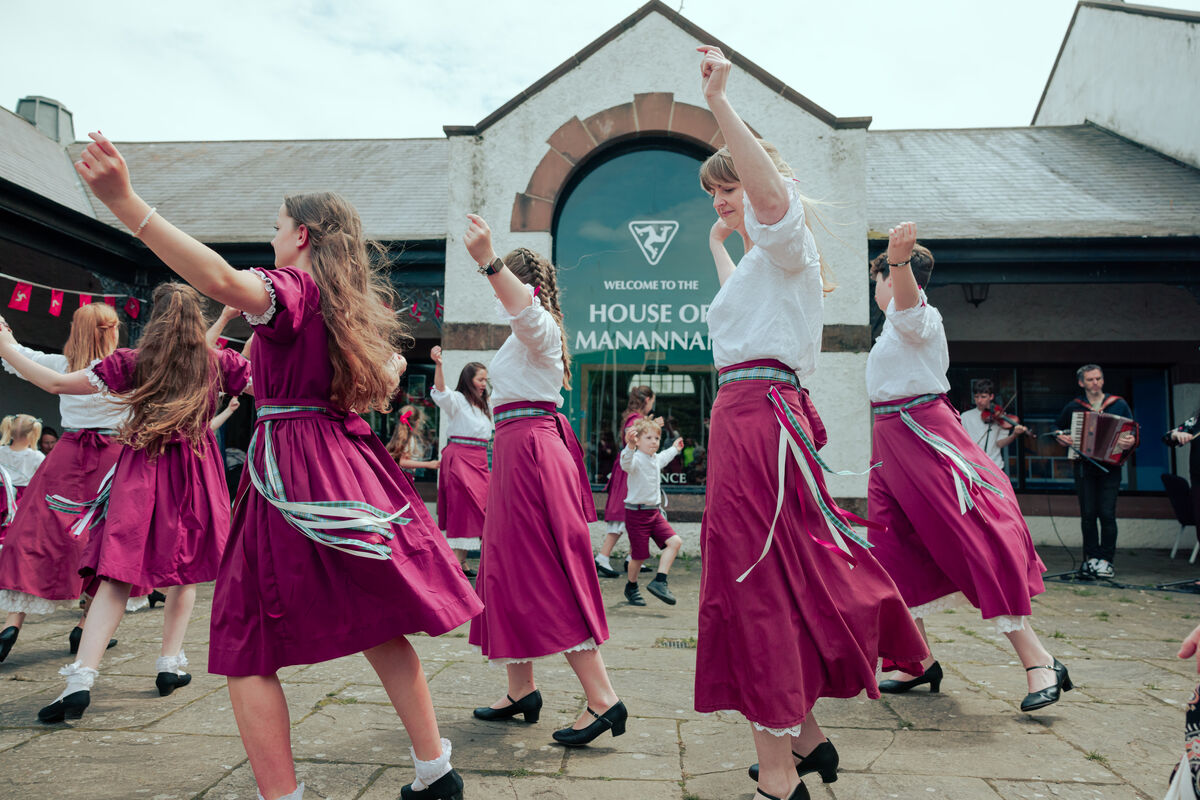
There is now a dedicated Manx Language Network, known as Jeebin, which was established by the Department of Education, Sport and Culture, as well as the charity Culture Vannin. The network is a coordinating body that works towards sharing and developing use of the Manx language, with resources such as an adult learner course and translation service. Additionally, Possan Ronsee Gaelgagh, the Manx Language Research Group, was formed in 2022, to shed light on the unique linguistic and cultural nuances of Manx and to promote and protect the language.
Year of the Manx Language
Most excitingly, 2026 is the Year of the Manx Language! This coincides with the 35th anniversary of Manx being introduced into the Island’s schools, 30 years of the Cooish Manx Language Festival, and 25 years of the Bunscoill Ghaelgagh.
The year-long celebration has events held across the Island that celebrate the Manx language with festivities and learning opportunities. Culture Vannin say “It doesn't matter whether you are a speaker, a learner, a hopeful beginner or even someone who's merely positive about the flourishing of Manx in Manx hearts in recent years - the hope is that this will be something that everyone can be involved in and be a part of (just like the language)!” What a wonderful way to incorporate Manx into the modern landscape and give visitors the opportunity to immerse themselves in the Manx language!
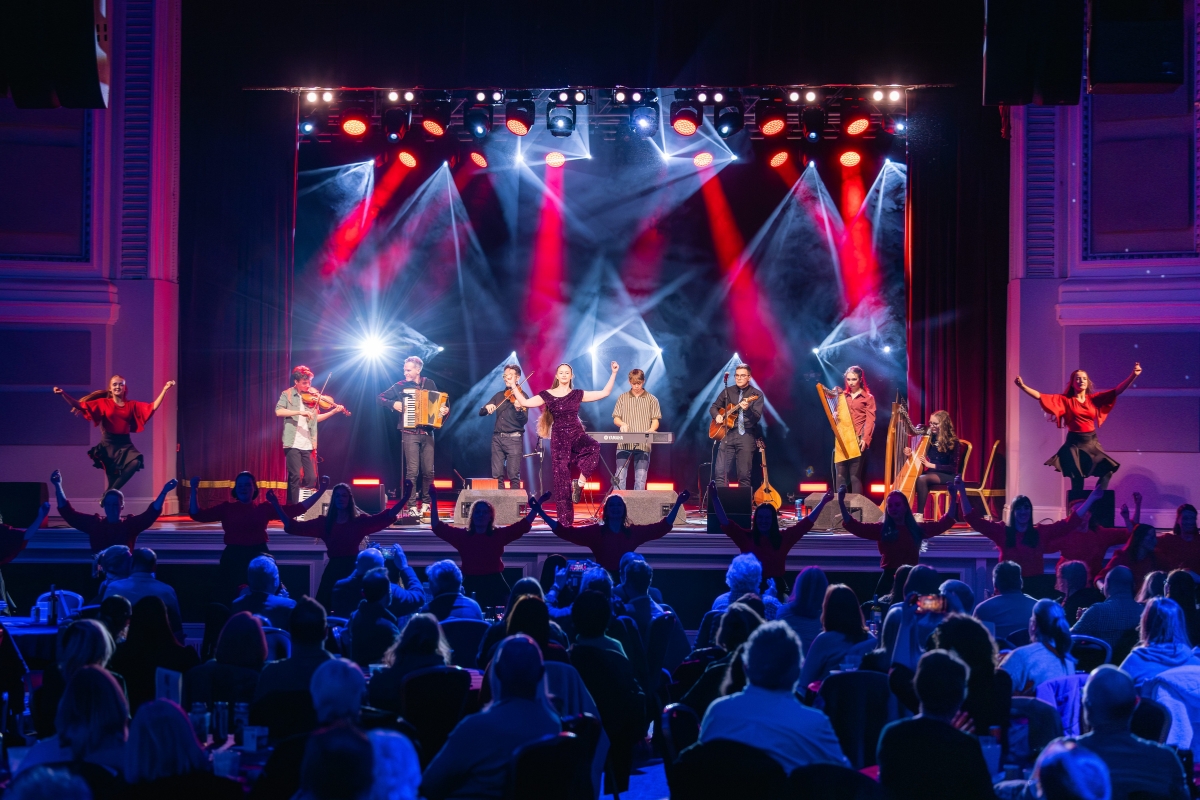
Scran (Culture Vannin’s youth music group) and friends performing at the Villa Marina in a special Year of the Manx Language concert, featuring Manx songs and language.
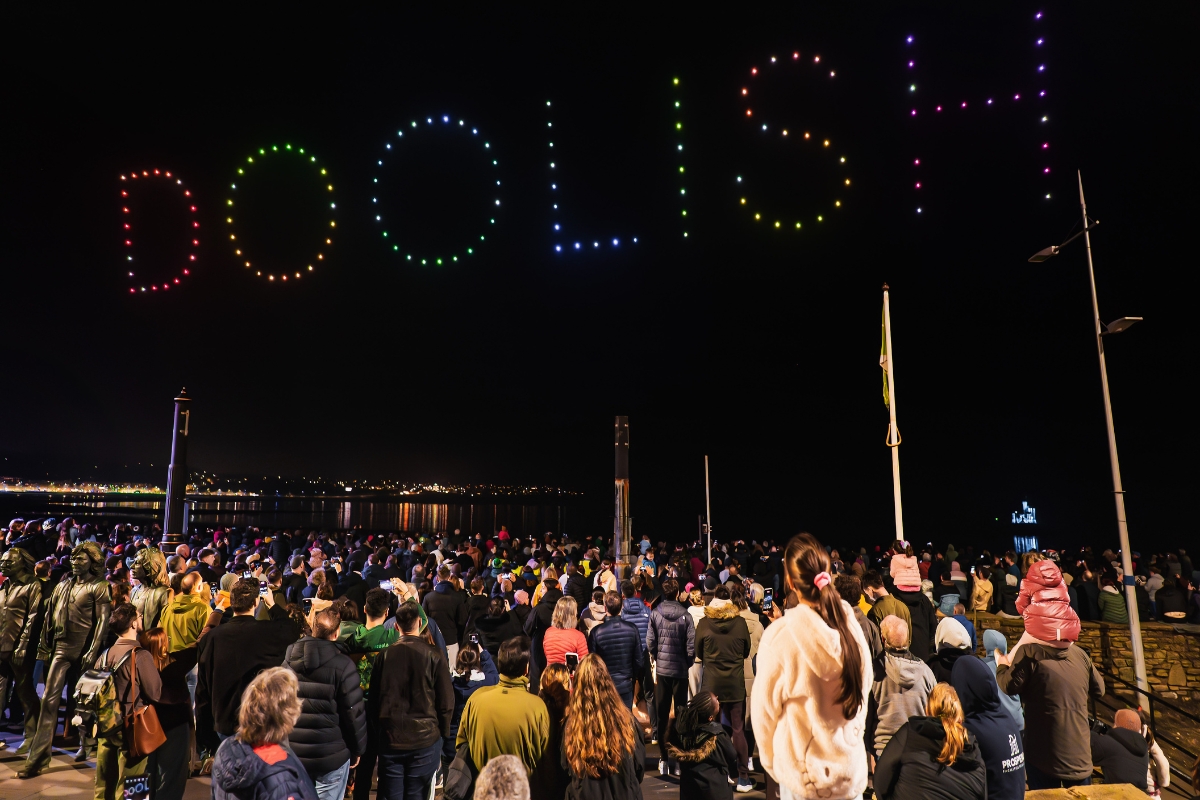
Drones lighting up the sky over Douglas bay, featuring Manx language words.
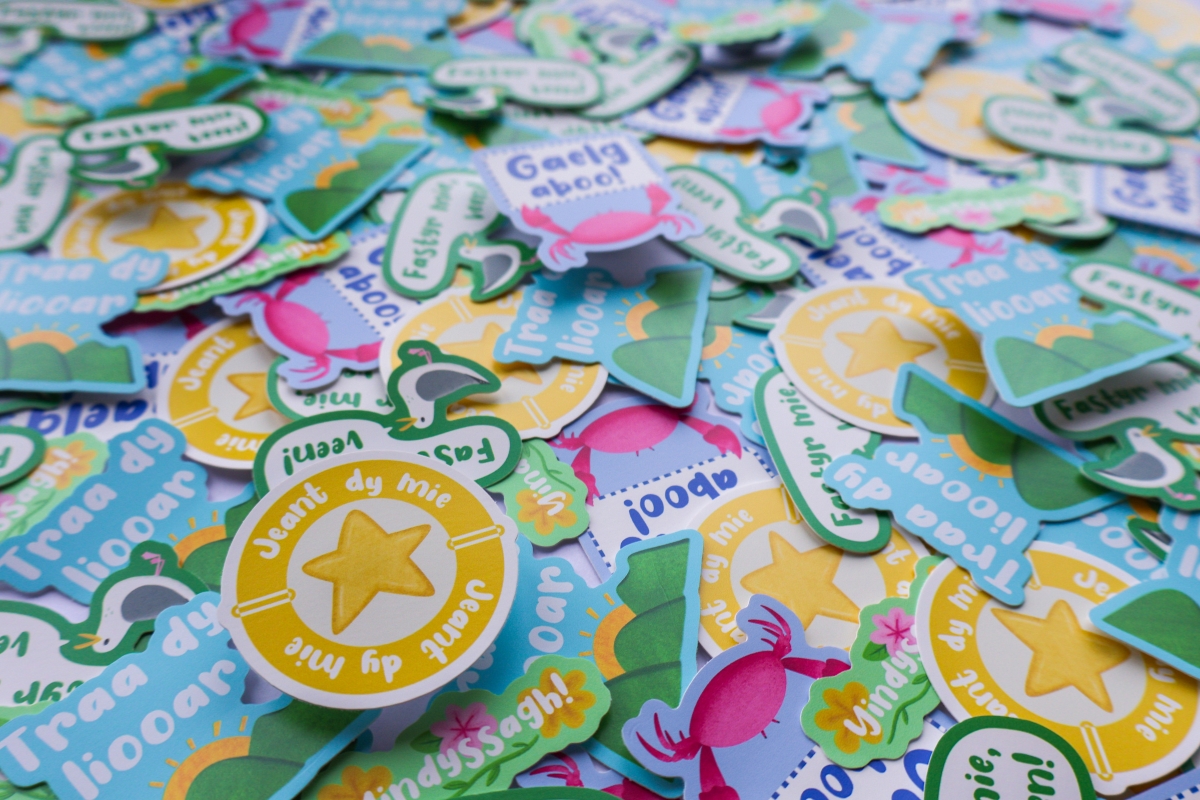
Five Manx language stickers designed by Feeagh Studio (part of a Treisht26 Culture Vannin project) featuring common Manx words and phrases.


Comments
Nobody has commented on this post yet, why not send us your thoughts and be the first?
Leave a Reply