



Rushen Abbey is one of the Isle of Man’s most interesting heritage sites, with a history dating back to the 12th century and many stories to be told from its ruins.
The Foundation
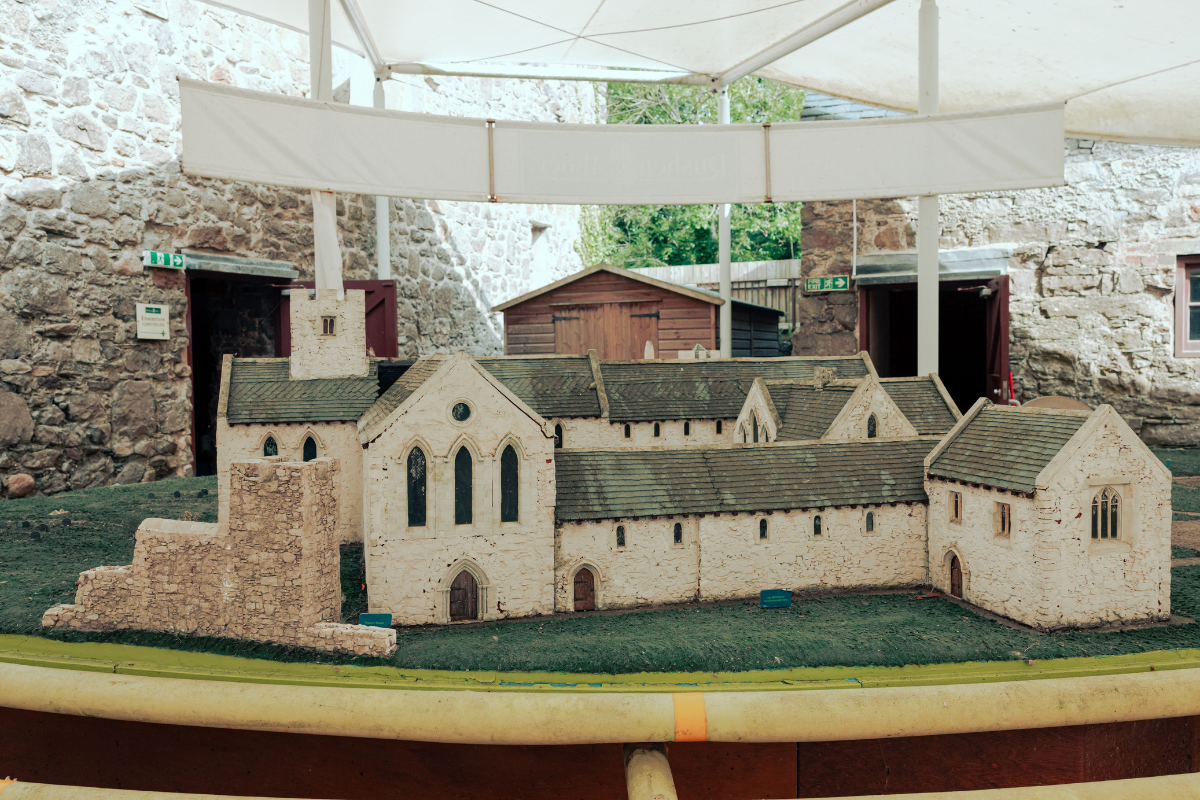
Rushen Abbey was founded by King Olaf 1st of Man and the Isles in 1134. King Olaf had grown up in the court of King Henry I as a young boy and he understood the importance of the affairs of church and state, therefore hoping to establish a Diocese of Man and the Isles.
King Olaf wrote to the Archbishop of York and asked him to consecrate a new bishop, whose appointment was to be made under the guidance of Abbot Ivo of Furness. His request was granted and Furness monks were sent to the Isle of Man to begin construction on the Abbey! Its location in Ballasalla was appealing due to its proximity to the Silverburn River, nearby limestone quarry, and fertile land. There is evidence showing that the location was already a religious site, in the form of early Christian graves and the mention of a monastery dedicated to St Leoc’s lands in Eugenius III’s papal confirmation of Furness.
As a daughter house of the Savignac Abbey of St Mary at Furness in Cumbria, it initially followed the Savignac Order before being incorporated into the Cisterian Order in 1149, along with the other European Savignac houses.
The Influence of Rushen Abbey
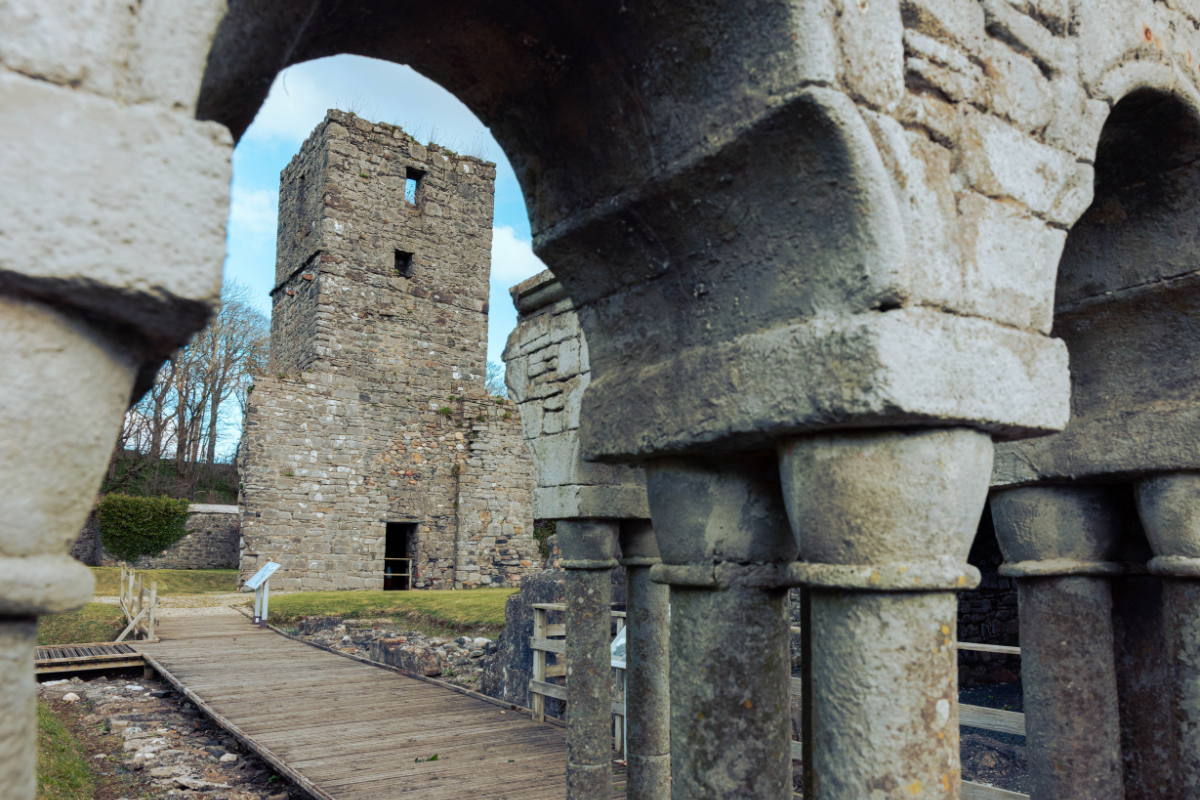
Rushen Abbey was very influential on the Isle of Man, having significant landholdings across the Isle and therefore an impressive rental income. Kings gave land and privileges freely, knowing that they would be prayed for by the monks and receive free accommodation when necessary, whilst their enemies would be refused sanctuary. Privileges included things like fishing rights, mining rights and grazing rights, with profits being used to make improvements to the Abbey.
Despite its influence, Rushen Abbey was considerably smaller than its counterparts. Excavations show that the church had no aisle and the cloister was much smaller than was typical for a Cistercian site. It is thought to be the smallest Abbey in the British Isles and possibly even in Europe.
The Abbot was incredibly powerful, not only being in charge of the entire Abbey and its community, but also holding courts of law for tenants and having the ability to sentence people to death. There was even a road leading from the Monks’ Bridge to the Black Hill where the Abbot’s gallows were located.
When the Stanley family became kings of Man in 1405 they actively tried to reduce the power of the Abbot. For example, anyone found guilty of a capital offence in the Abbot’s court couldn’t receive punishment unless the sentence was confirmed by the Lord’s court. This was part of a strategy to reduce the independence of the church and strengthen the secular government. Despite this, a 16th century Abbot of Rushen named John Farker went on to become the Island’s Deputy Governor and wield great power!
Life at Rushen Abbey
The brothers who lived at Rushen Abbey had a variety of roles and responsibilities. Boys would have been recruited locally, an appeal being a free education for those who showed promise to join the novices, who then had at least a year to decide whether to take their full vows.
One of the oaths that they took was to look after the sick and the Abbey was known to practice herbal medicine and keep a garden with healing plants. These were nurtured and tended to by a specialist monk known as the Infirmarer, who was also oversaw the care of the sick and elderly community members.
The choir monks, those who are or are planned to be ordained, attended eight church services per day, alongside reading scripture and meditating. Their manual work may have included gardening, farming, copying out manuscripts or assisting in the infirmary. The monks at Rushen Abbey are thought to have written The Chronicles of the Kings of Man and the Isles, which tells the history of the Island’s kings from 1016 to 1316 and is now held in the British Library.
Uneducated men joined the Abbey as lay brothers who had shorter, simpler church services and undertook more manual labour. These men still took the same vows as the choir monks, but had different duties at Rushen Abbey. Their role was created to cater to the hard manual labour demanded from the Cistercian Rule and also allow those who weren’t formally educated to contribute to the religious order.
Rushen Abbey Today
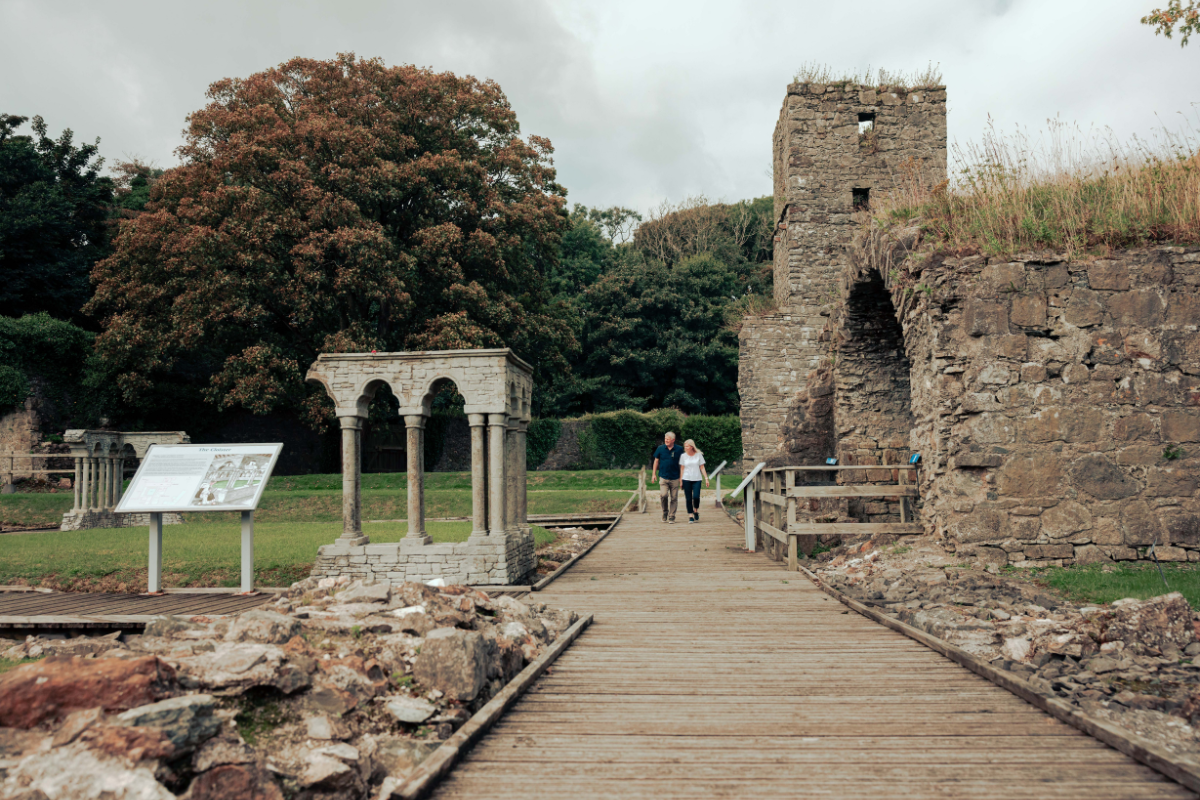
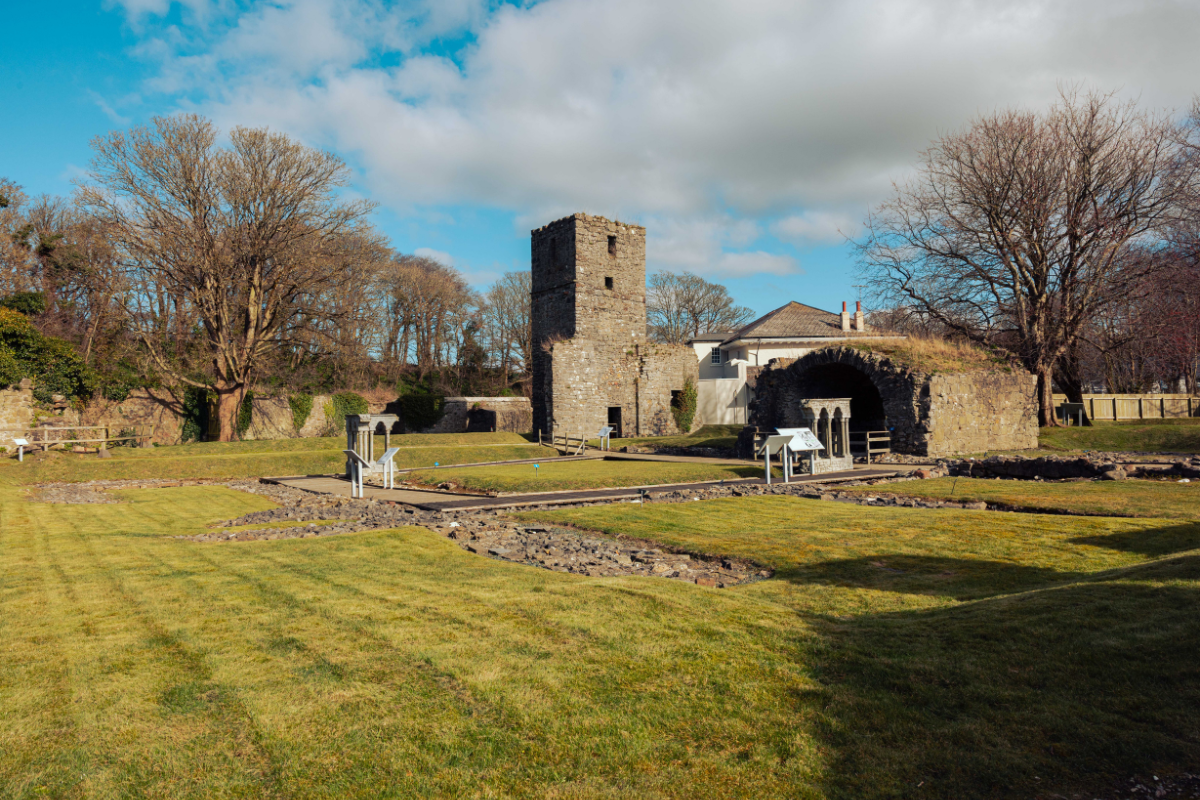
Today, Rushen Abbey is looked after by Manx National Heritage and is open for tourists to visit. The remains and archaeological finds are on display to visitors, alongside explanations of what life was like at the Abbey and a deep dive into its history.
Picnics and playing are welcomed on the Abbey’s beautiful grounds, with the outdoor spaces a perfect place to stroll and unwind. If you’re visiting with family, you can follow the ‘Monky Business’ activities throughout the site.
More information can be found here.


Comments
Comments are disabled for this post.