



Located in the Isle of Man’s ancient capital, Castletown, Castle Rushen stands proud beside the harbour, showcasing one of the finest examples of an impeccably preserved Medieval castle.
From its earliest days as a fortress, to a royal residence, to a prison, and finally a tourist attraction, the castle has a broad and fascinating history.
The Thirteenth Century Power Struggle
.png)
In the 13th century the balance of power was continually shifting around the Irish Sea, making it difficult to keep track of who was in charge of what. However, it’s believed that King Magnus Olafsson was the mastermind behind Castle Rushen and ordered its construction.
King Magnus Olafsson didn’t just reign over the Isle of Man, he also teamed up with King Haakon IV of Norway to invade Scotland. When King Haakon IV died, Alexander III of Scotland threatened the Isle of Man and took charge of it upon the death of King Magnus Olafsson. The Manx people weren’t happy with this turn of events and rebelled, causing a Scottish fleet to attack them at Ronaldsway where 637 Manx people sadly died.
When Alexander III of Scotland passed, King Edward I of England took the Island under his rule before Scotland’s Robert the Bruce mounted an invasion and took it back under Scottish control. Finally, when Robert the Bruce died in 1329, England’s Edward III sent a fleet to the Isle of Man to eventually claim it back for the English throne. The following decades saw the Island gifted to various English Lords and Earls by the King.
The Rule of the Stanley Family
.png)
The Stanley family were part of the Lancashire Gentry and were gifted the Isle of Man in 1405 by King Henry IIII. Thomas Stanley was part of the family and found himself fighting for King Richard III at the Battle of Bosworth in 1485. However, when Thomas realised it wasn’t looking promising for the King, he decided to switch sides and support Henry Tudor. When Henry won the battle he became King Henry VII and decided to make Thomas Stanley an Earl, hence the Earls of Derby.
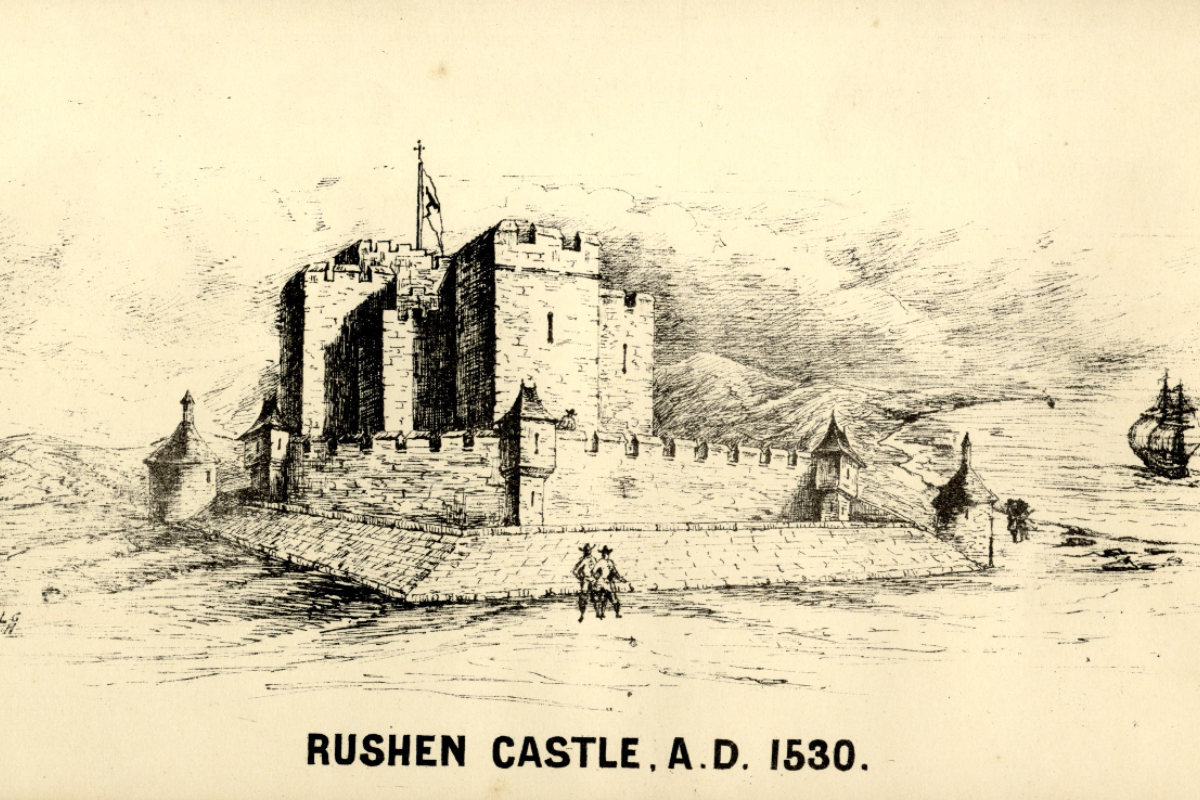
Castle Rushen in 1530
The Derbys ruled over the Isle of Man until the 18th century, notably building Derby House at the Castle, a much more comfortable accommodation option than the draughty castle chambers. They weren’t going to rule forever though and their demise on the Isle of Man started during the 17th century English Civil War…
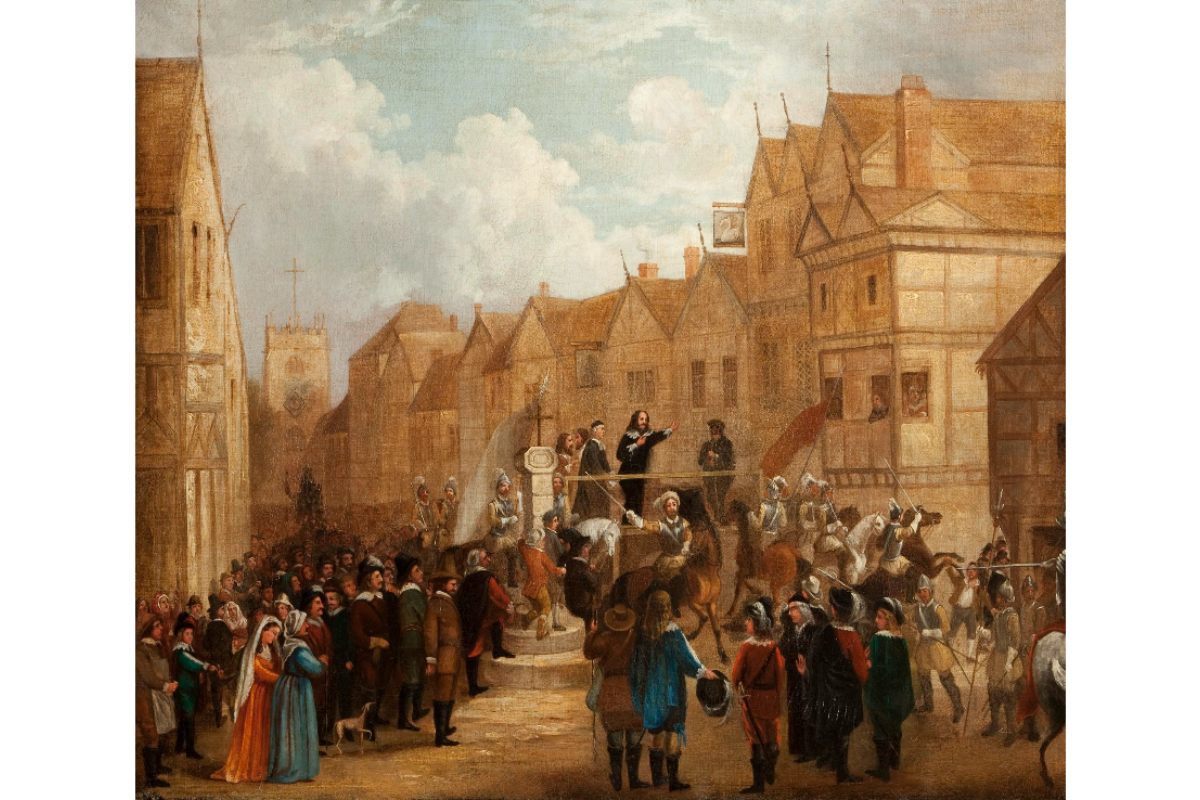
The execution of the 7th Earl of Derby
The 7th Earl of Derby was a staunch royalist and set sail from Derbyhaven to England to fight for the royalist cause, 300 men in tow. After being captured by the parliamentarians, he was tried and executed with many of his men hunted down and killed. Those who escaped had to make their own way back to the Isle of Man, rather challenging seeing as many of them only spoke Manx! Back at Castle Rushen the Earl’s wife, Countess Charlotte, was left in charge with the Earl appointing his receiver general, Illiam Dhone, to be her commander and protector.
Illiam Dhone
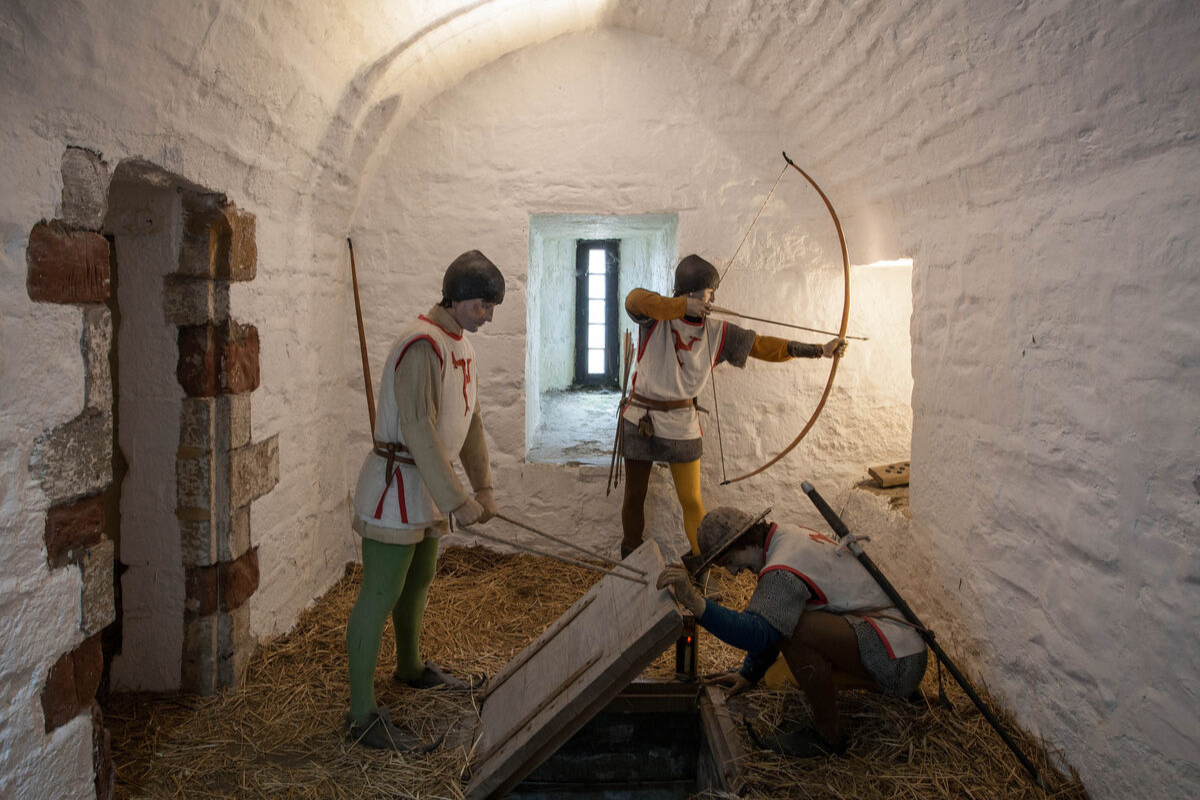
Wax figures depict the defence of Castle Rushen
Illiam Dhone saw the writing on the wall and believed that the best course of action was to surrender to the parliamentary forces. Dhone also came to learn that the Countess was secretly planning to sell the Isle of Man and the Manx people. Upon this news, Dhone held a meeting at his home with leaders from the Island’s parishes where he informed them of the Countess’s plans, and his own. Outraged, the Manx people soon stormed and took hold of the Island’s forts, all except Castle Rushen and Peel Castle who held out in loyalty to the Countess.
By the 26th October 1651 Cromwell’s parliamentary forces were in Ramsey Bay, including 44 warships, three regiments of foot soldiers, and two regiments of cavalry. Dhone and his men soon proposed their surrender which was readily accepted by Colonel Robert Duckenfield, and the parliamentary troops went on to take over both Peel Castle and Castle Rushen.
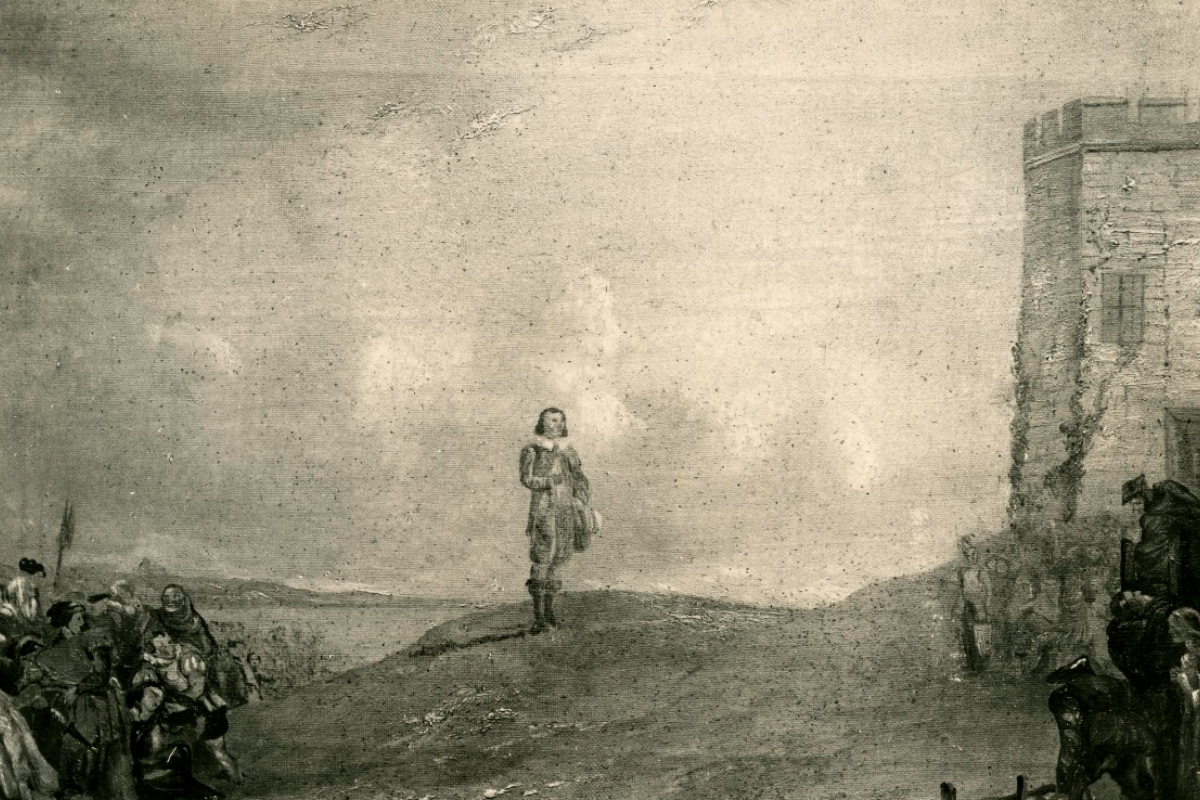
The execution of Illiam Dhone
Later, when the monarchy was restored and the 8th Earl of Derby succeeded to the Derby title, he took revenge on Illiam Dhone and had him executed on the Isle of Man’s Hango Hill.
The Dukes of Athol
When the Derbys ceased to be the Lords of Man and the title was inherited by the Dukes of Athol in 1736, the centre of power gradually started to move away from Castle Rushen and towards today’s capital, Douglas. The Dukes built themselves Castle Mona in Douglas and Castle Rushen became occupied by the Island’s governor.
Prison and Tourist Attraction
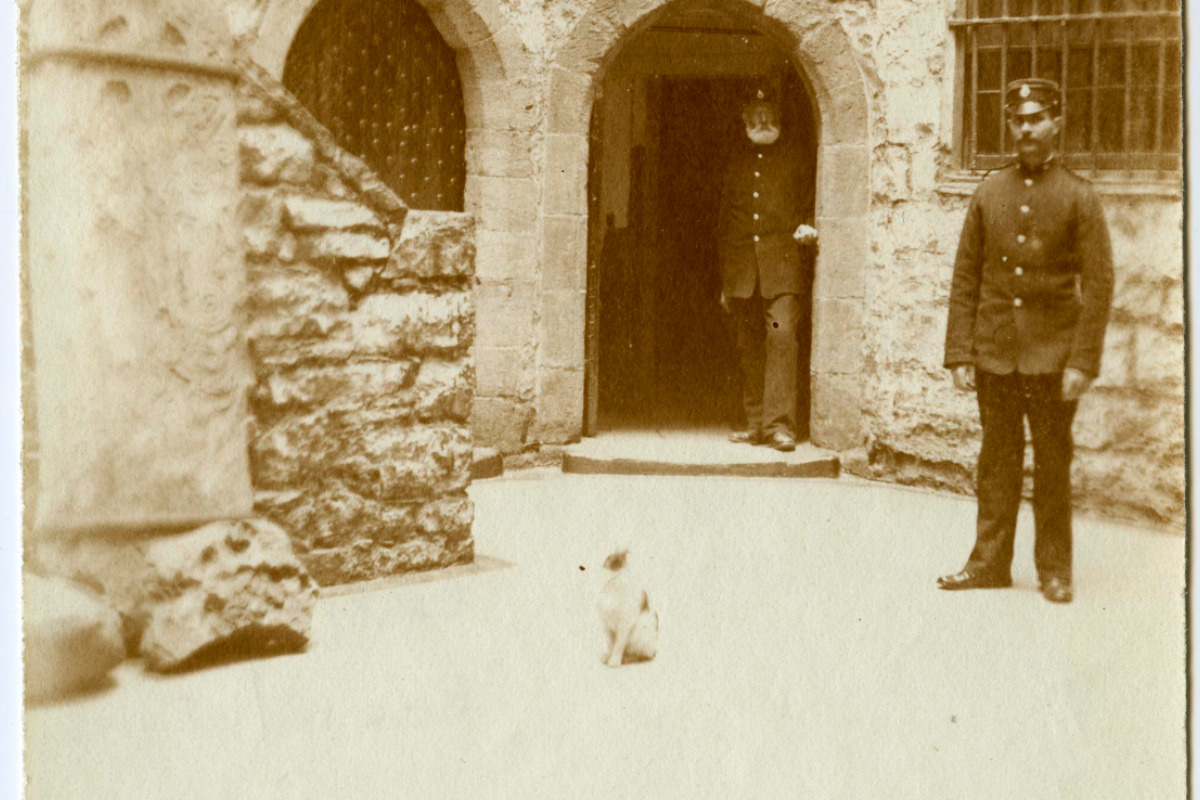
Castle Rushen during its time as a prison
From as far back as the 1760s Castle Rushen was used as a prison. By all accounts the conditions were awful and many prisoners acquired illnesses, with some even succumbing to them. There were no window panes, making the cells unbearably cold, and prisoners weren’t even afforded their own beds, let alone cells. By 1891 a new prison opened in Douglas, replacing Castle Rushen as a gaol.
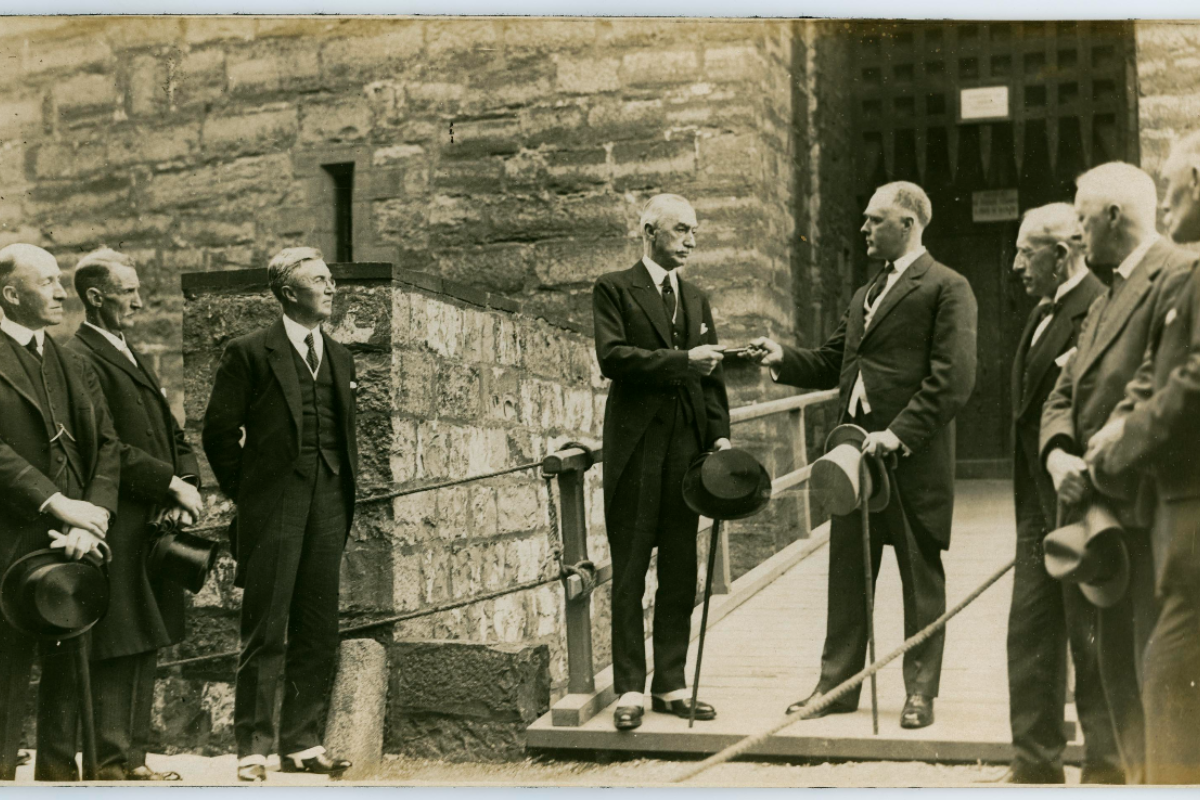
The Crown gives Castle Rushen to the Manx Government
The next stage in the castle’s story is as it is today, a tourist destination. It was handed over to the Manx Government by George V in 1928 and is nowadays under the care of Manx National Heritage.
Visitors to the Isle of Man can explore the fascinating castle for themselves, more information can be found here.


Comments
Nobody has commented on this post yet, why not send us your thoughts and be the first?
Leave a Reply